

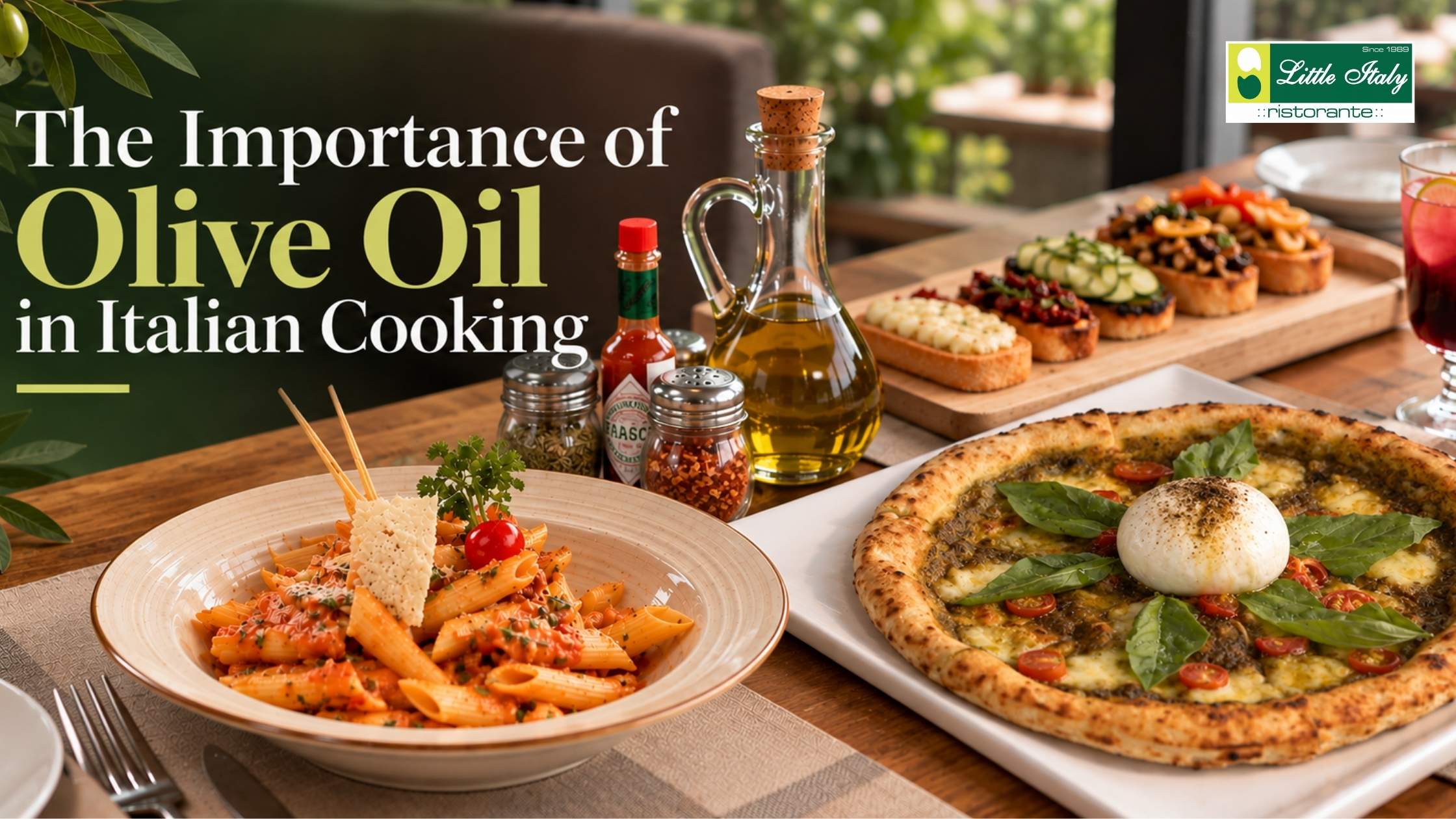
Italian cooking is often about getting the most out of a few good ingredients. Fresh tomatoes, garlic, herbs and pasta can create a memorable meal when they are prepared with care. Among these ingredients, olive oil has a special place. It is used in everyday cooking, traditional recipes and even as a finishing touch on many dishes.
The importance of olive oil in Italian cooking comes from more than its ability to add flavour. It helps form the base of sauces, carries the taste of herbs and seasonings and works well with a wide range of ingredients. The type of olive oil and the way it is used can also influence the final dish. Understanding its role offers a closer look at one of the defining ingredients of Italian cuisine.
Why Olive Oil Is a Key Ingredient in Italian Cooking
Olive oil is a familiar sight in Italian kitchens because it works well with many ingredients and cooking methods. It can be used to gently cook garlic, soften vegetables, prepare sauces or make a simple dressing. Unlike an ingredient that serves only one purpose, olive oil can be part of several stages of preparing a meal.
Its role is particularly noticeable in recipes with few ingredients. Take pasta with garlic and olive oil, for example. The garlic is gently heated in the oil, allowing its flavour to infuse it without burning. The cooked pasta is then added and tossed with the oil. A little pasta water can help create a light coating that brings the ingredients together.
Olive oil also complements ingredients commonly used in Italian food, including tomatoes, basil, mushrooms and seasonal vegetables. Its flavour can range from mild and fruity to peppery, depending on the variety and production method. This gives cooks some flexibility when choosing an oil for a particular dish.
In many recipes, the oil is not meant to overpower the other ingredients. Instead, it supports their flavour and helps create a balanced dish. That combination of usefulness and taste is a major reason olive oil remains central to Italian cooking.
Different Types of Olive Oil Used in Italian Cooking
Olive oil is sold in different grades. They vary in how they are produced, the quality standards they meet and the flavour they bring to food. Understanding these differences can help explain why a recipe may call for one type rather than another.
Extra Virgin Olive Oil
Extra virgin olive oil is the highest grade of virgin olive oil. It is obtained from olives using mechanical methods without chemical refining. To qualify as extra virgin, it must meet specific chemical and sensory standards.
Its flavour depends on factors such as the olive variety, growing conditions and harvest. Some extra virgin olive oils taste mild and fruity, while others have a stronger peppery or slightly bitter character. These qualities make it a popular choice when the flavour of the oil is meant to be noticeable.
Virgin Olive Oil
Virgin olive oil is also extracted from olives using mechanical methods without chemical refining. However, it does not meet all the same quality standards as extra virgin olive oil. Its flavour and aroma can vary depending on the oil.
It can be used in cooking where a virgin olive oil is suitable but the recipe does not specifically require extra virgin olive oil. The differences between the two are based on defined quality standards, not simply on how strong the oil tastes.
Refined Olive Oil
Refined olive oil undergoes additional processing to reduce unwanted flavours and other components. This gives it a milder taste than unrefined virgin olive oils.
The term regular olive oil often refers to a blend of refined olive oil and some virgin olive oil. It generally has a lighter flavour than extra virgin olive oil and can be used when a less pronounced olive taste is preferred.
Each type has its own characteristics. The choice depends on the recipe, the desired flavour and the cooking method. Extra virgin olive oil is not automatically necessary for every dish, just as a milder oil is not suitable for every preparation.
How Olive Oil Is Used in Italian Cooking
Olive oil can be used at different points during cooking. In some recipes, it is heated with the first ingredients. In others, it is mixed into a dressing or added just before serving. Here are some common ways it is used in Italian food.
Pasta
Olive oil is used in many pasta preparations, particularly recipes that begin with garlic, chilli or herbs. Gently heating these ingredients in oil allows their flavours to spread before the pasta is added.
In dishes such as pasta with garlic and olive oil, the oil is one of the main ingredients rather than just a cooking medium. It coats the pasta and carries the flavour of the garlic and seasonings. A little reserved pasta water can help the oil form a light sauce that clings to the pasta.
Pizza
Olive oil can be used when preparing pizza dough. Depending on the recipe, it may help make the dough easier to handle and contribute to its texture. Some pizza recipes also use olive oil in the preparation of the toppings or sauce.
A small drizzle after baking is another option. It can add a fresh note to the finished pizza, although not every pizza recipe calls for it. The amount used depends on the style of pizza and the ingredients.
Salads
Olive oil is a common ingredient in Italian salad dressings. It can be whisked with vinegar or lemon juice and seasoned with herbs, salt and pepper. The oil gives the dressing body and helps coat the vegetables.
Extra virgin olive oil is often chosen for salads because its natural flavour can be enjoyed without being altered by cooking. With fresh tomatoes, leafy greens or other vegetables, the oil can complement the ingredients without needing a complicated dressing.
Italian Sauces
Many Italian sauces begin with olive oil. Garlic, onions or other ingredients may be gently cooked in it before tomatoes, herbs or vegetables are added. This first step helps develop the base flavour of the sauce.
The cooking method can vary. Some sauces simmer for a long time, while others are prepared quickly. Olive oil may be used at the beginning or added later, depending on the recipe. It is the combination of ingredients and cooking technique that gives each sauce its character.
Sautéed Vegetables
Olive oil is useful for sautéing vegetables in a pan. It helps transfer heat to the food and can reduce sticking when the pan and temperature are suitable. Vegetables such as zucchini, mushrooms and bell peppers can be cooked with a little oil and seasoning.
The aim is not always to cook the vegetables until soft. Some recipes call for them to retain a little bite, while others require a more tender texture. The cooking time and heat should suit the vegetable being prepared.
Bread and Bruschetta
Olive oil can be served alongside fresh bread or drizzled over toasted bread. Bruschetta is a familiar example, often prepared with toasted bread and toppings such as tomatoes and herbs.
When a dish uses only a few ingredients, the choice of olive oil can be noticeable. A drizzle over the bread can add flavour and help bring the topping together. It is a simple way to use olive oil without making it the main focus of the dish.
Health Benefits of Olive Oil
Olive oil is valued for its nutritional properties as well as its culinary uses. It contains mostly monounsaturated fats. Replacing some sources of saturated fat with unsaturated fats can help improve blood cholesterol levels and support heart health.
Extra virgin olive oil also contains natural plant compounds, including polyphenols. Some of these compounds have antioxidant properties and are studied for their possible effects on health. The amount present can vary with the olive variety, harvest and production process. However, research does not establish that extra virgin olive oil prevents disease on its own.
Olive oil is a key part of the Mediterranean diet, which includes vegetables, fruits, whole grains, beans, nuts and other plant-based foods. This overall eating pattern is associated with health benefits, including a lower risk of cardiovascular disease. These benefits are linked to the wider diet rather than to olive oil alone.
Olive oil is still a source of fat and contains calories, so portion size matters. Using it in place of some saturated fats can be a practical choice within a varied and balanced diet. It should be enjoyed as food, not treated as a medicine or a substitute for medical advice.
Olive Oil in Italian Cooking at Little Italy Udaipur
Olive oil is part of the Italian cooking at Little Italy Udaipur. The restaurant owner has confirmed that olive oil is generally used in its Italian food preparations. Its use can vary from one recipe to another, depending on the ingredients and the method of preparation.
One example on the menu is Insalata Gennarino, which mentions extra virgin olive oil and balsamic vinegar in its description. These ingredients are often used together in salad dressings. Olive oil provides a smooth texture and its own flavour, while balsamic vinegar contributes acidity and a slightly sweet taste.
The salad is a clear menu example of extra virgin olive oil being used as an ingredient rather than simply as a cooking medium. It also shows how a dressing can add character to fresh ingredients without requiring a long list of additions.
For guests exploring Italian food at Little Italy Udaipur, this is one way to experience an ingredient that has a long-standing place in Italian cuisine. The restaurant’s use of olive oil in its preparations connects its menu with a familiar part of Italian cooking.
Conclusion
Olive oil is an essential part of many Italian recipes because it serves different purposes, from cooking garlic and preparing sauces to dressing salads and finishing dishes. Its flavour varies by type, giving cooks different options depending on the dish.
Its nutritional value is another reason it is widely appreciated, particularly when used as part of a balanced diet. Its versatility and flavour make it a valued ingredient in Italian cooking.
Experience the authentic flavours of Italian cuisine at Little Italy Udaipur. Visit us and enjoy your favourite Italian dishes!